
Drinking water may not have a direct impact on feelings of depression, but rehydrating can absolutely help you start feeling better physically. As hangover symptoms begin to subside, the emotional effects may follow. Some people never notice feelings of depression — or any negative effects at all — after drinking moderately.
Distract Your Brain Through Healthy Lifestyles

If you need help finding recovery resources in your area, please visit the FOLX Help Center and ask to be connected with our member referral network. At the very least, addressing feelings of depression will be easier if you don’t have to worry about physical and mental issues. Consuming water will not directly alleviate the symptoms of depression.
Why Is Alcohol A Depressant When It Makes Me Happy?
- You came to this page because you wanted to know about the relationship between alcohol and depression.
- Group therapy, family counseling, and peer support create a network of support.
- Alcohol is a depressant because it depresses, or slows down, the central nervous system (CNS), including functions of the brain and spinal cord.
This isolation can intensify depressive symptoms and contribute to a sense of hopelessness. If you struggle with depression or any other mental illness, talk to a mental health professional today. But regularly drinking more alcohol than these guidelines recommend can pose a number of health risks, including depression. does alcohol make depression worse The only certain way to prevent depression after drinking is to avoid alcohol entirely. You can, however, take steps to lower your chances of emotional side effects when drinking. You might feel depressed after drinking because alcohol itself is a depressant.
- The way alcohol affects your body and brain creates a close link between alcohol and depression.
- Drinking water may not have a direct impact on feelings of depression, but rehydrating can absolutely help you start feeling better physically.
- People with depression frequently lose interest in activities that once brought them joy like hobbies and social events.
- If you begin to notice any unwanted side effects — physical or emotional — while drinking, it may be best to call it a night.
Alcohol Use Disorder and Depression
- From then on, the brain demands higher and higher levels to deliver the desired effect.
- Healthcare professionals may recommend cognitive behavioral therapy to treat depression concurrent with alcohol use disorder.
- If you keep drinking a lot of alcohol, it can cause more problems and make your depression and anxiety worse over time.
- If you drink faster than that, you may push yourself past the point you meant to go as each drink compounds the effects of alcohol.
Despite its initial stimulating effects that might lead to feelings of euphoria or increased social interaction, alcohol fundamentally slows down brain function and neural communication. As a CNS depressant, it impacts various aspects of physical and mental functioning, leading to slowed reaction times, impaired judgment, and reduced coordination. Alcohol can also make it more difficult for people to cope with their depression symptoms. When people are drinking, they may be less likely to engage in positive coping strategies, such as talking to a friend, going for a walk, or participating in a hobby. This can lead to a cycle of drinking to cope, which can worsen depression symptoms. It varies, but many people start to feel depressed as alcohol’s effects fade, sometimes hours later or the next day, during a hangover.
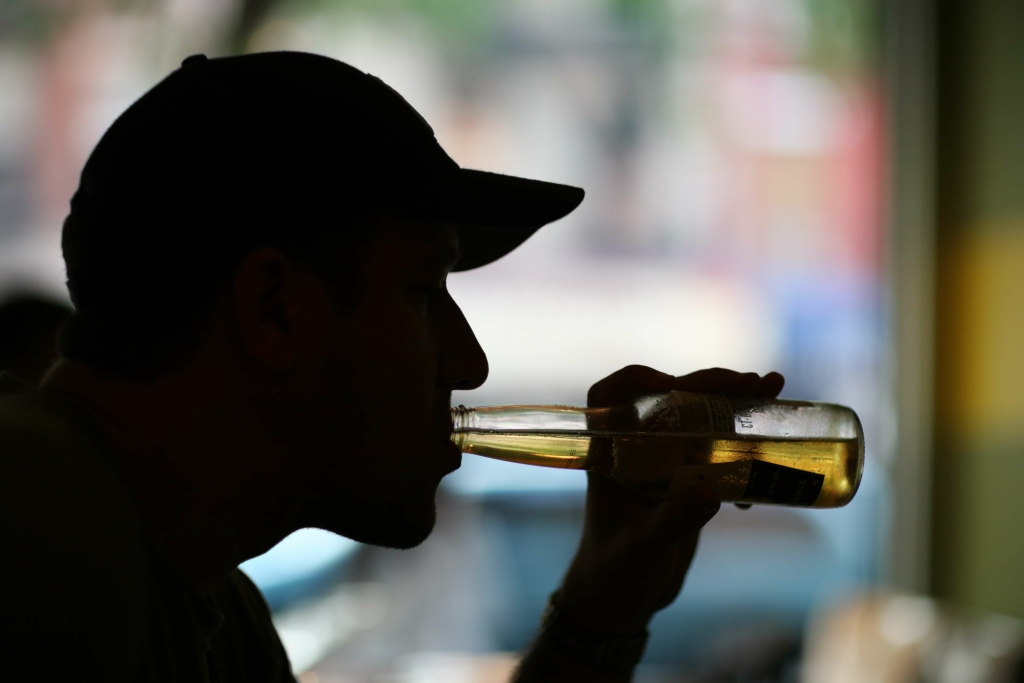
Depressant effect
It’s counterintuitive, but a good gym session can leave you energized. Exercise gets marijuana addiction your blood pumping and may help you feel like yourself again. You can also use it to combat some of the physical symptoms of depression. Have you ever experienced a night of poor sleep where you were tossing and turning, experiencing bizarre dreams, and woke up with your heart racing?